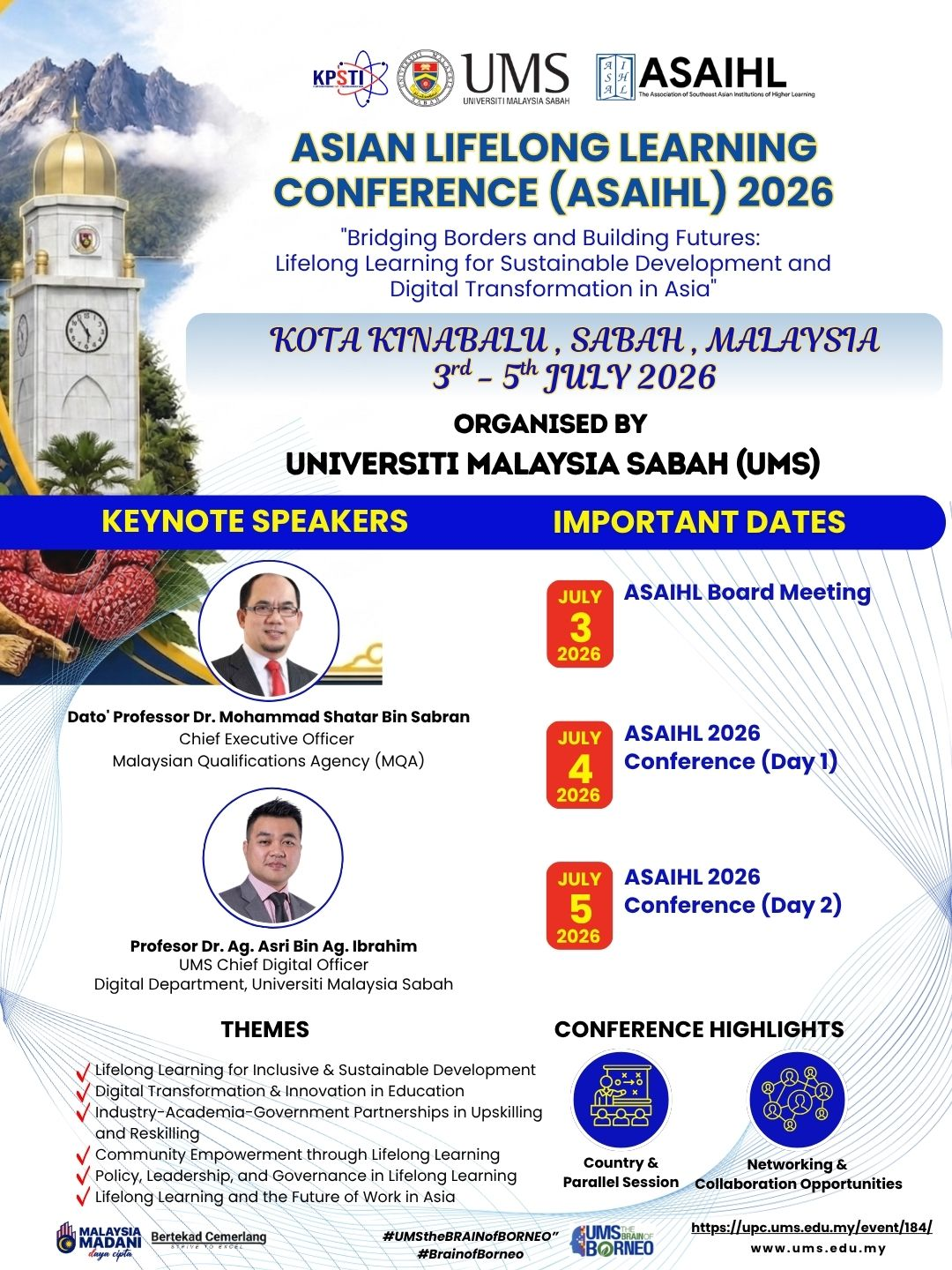
Speaker
Description
This study examines the perceptions and experiences of students and school personnel (teaching, non-teaching, and administrators) regarding the inclusive education practices in three private schools in Bulacan. Using descriptive-comparative research design, quantitative data were gathered through survey questionnaires. The research focuses on six dimensions of inclusive education: school climate; school leadership; attitude towards diversity, inclusion, and school culture; equity, inclusion, ad access; belonging; and curriculum and instruction. It was found that stakeholders had generally very positive perceptions and experiences, though slight differences emerged between perceived and actual experiences. Statistical analyses show that gender and socioeconomic status had limited influence on perceptions, but some gaps existed between students’ and personnel’s experiences. The study concludes that while inclusive education is highly implemented in the subject schools, sustained improvement requires targeted strategies to bridge perceptions and experiences. Recommendations include stakeholder training, policy reinforcement, and physical accessibility improvements.
Keywords: inclusive education, equity, school climate, leadership, diversity