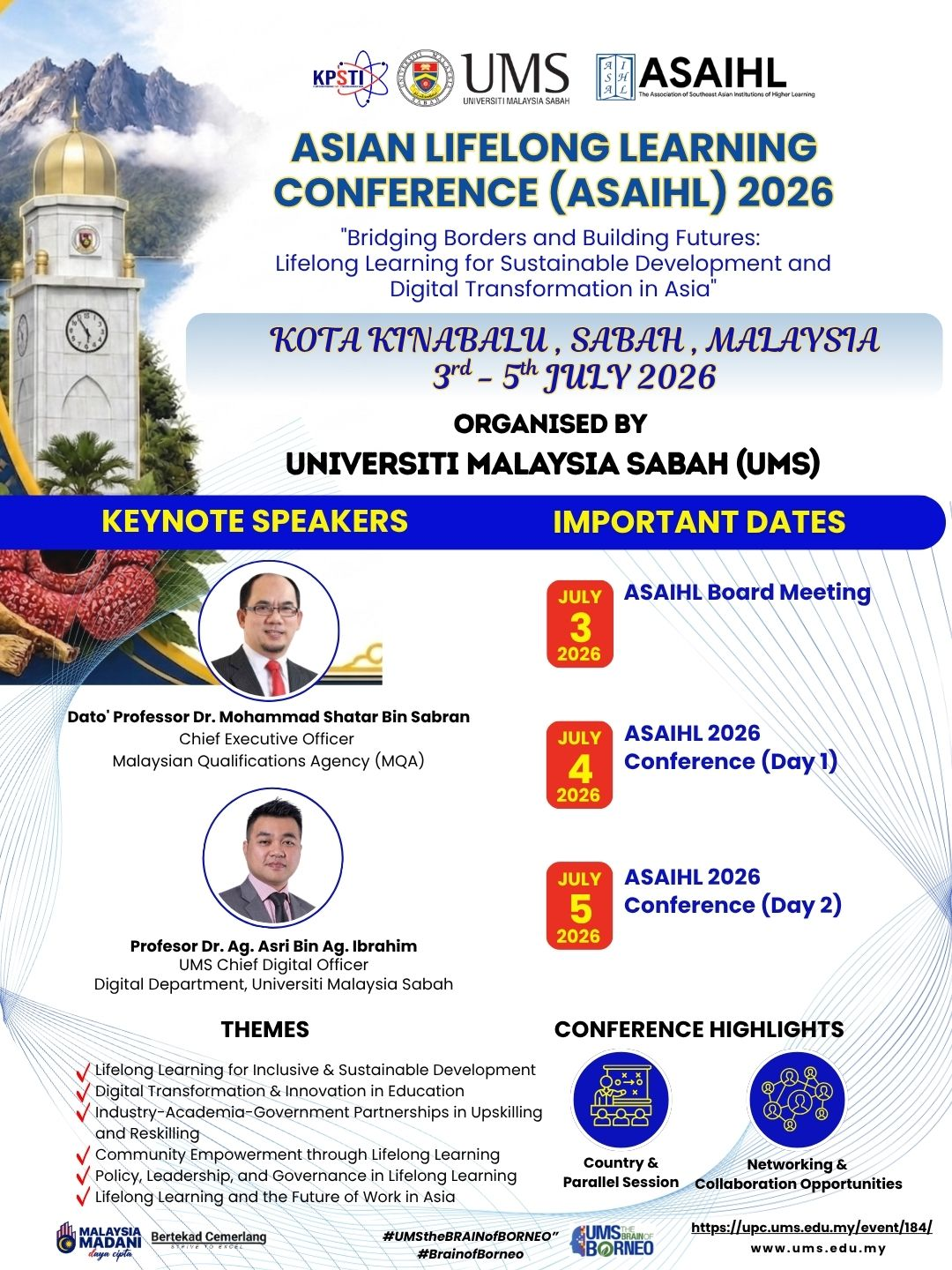
Speaker
Description
This study investigates the semiotic aspects of Cinematic Virtual Reality (CVR) and looks at how filmmaking methods affect the immersive experience of the viewer. CVR is a creative combination of virtual reality technology and cinematic storytelling that puts viewers right in the middle of the action with 360-degree visual surroundings. Even though CVR is now more widely available because to technology developments, less is known about how cinema language and semiotic indicators function in immersive settings to elicit presence, meaning, and emotion. In order to produce representational, participative, spatial, affective, and narrative immersion, the research will examine the ways in which cinematic elements—such as camera placement—interact with immersive spatial settings. The study uses a qualitative and quantitative technique that includes audience interviews, textual analysis of CVR material, and on-site observation of CVR film production processes, all guided by semiotic and phenomenological methods. This triangulated approach will reveal how viewers interact intellectually, emotionally, and physically with immersive storytelling and how meaning is created. A conceptual and analytical framework that explains the connection between cinematic language and immersive experience in CVR is the anticipated result. This study adds to advancements of media research and film theory by pinpointing the semiotic structures that influence user perception and engagement. It also provides fresh perspectives on how to create more immersive, emotionally impactful, and meaningful CVR experiences.