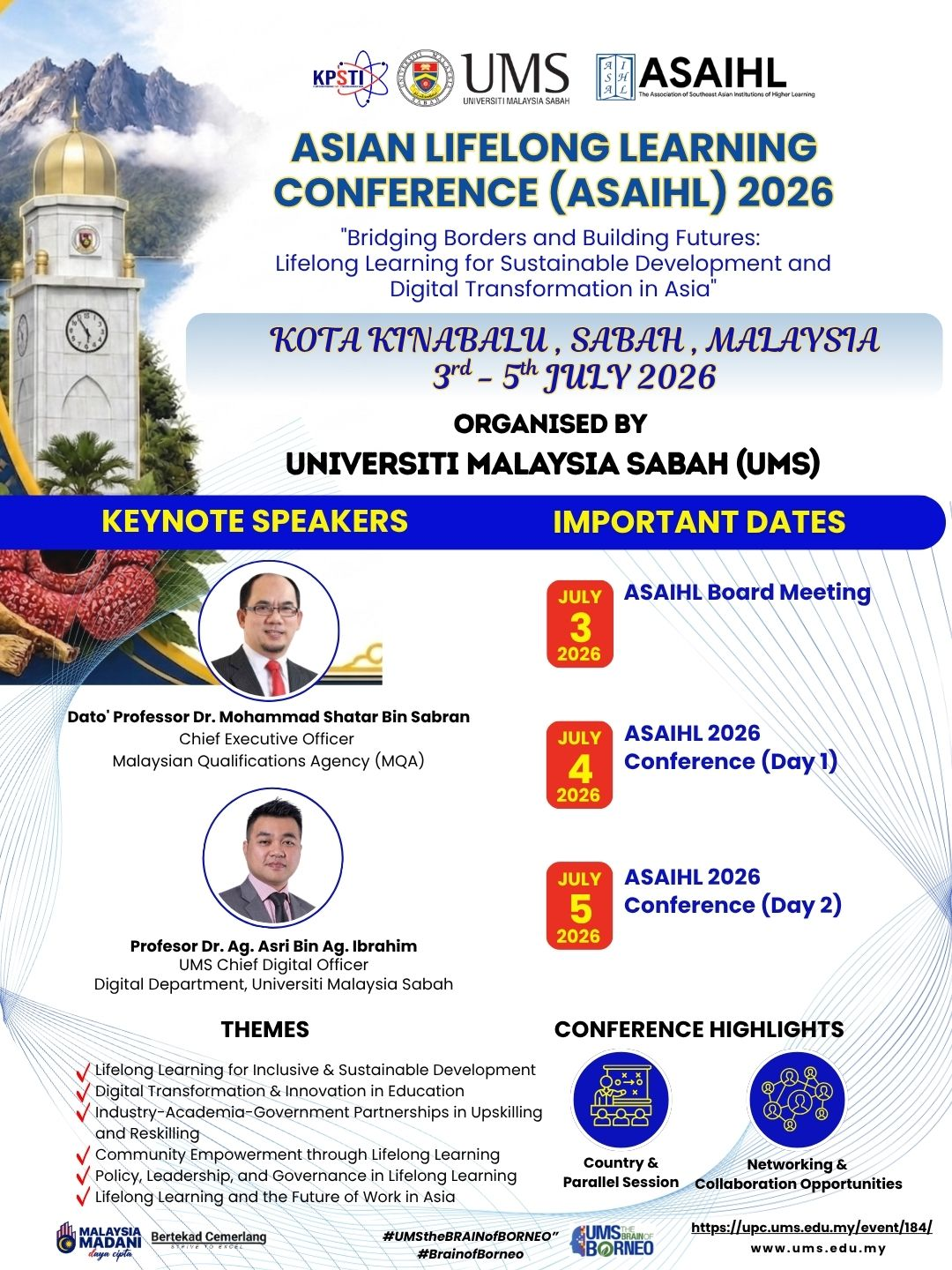
Speaker
Description
This study explores the acceptance of artificial intelligence (AI)-assisted tutoring among students in open, distance, and digital education (ODDE) higher institutions, emphasizing its importance for enhancing learning outcomes and promoting digital transformation in higher education. The primary aim is to identify the key factors influencing students’ acceptance, with a focus on perceived ease of use, perceived usefulness, active learning opportunities, social influence, and students’ engagement as a mediating variable. Data were collected through a structured survey distributed via purposive sampling, yielding 536 valid responses out of 691 distributed questionnaires, which were further refined to 492 samples after quality screening. The analytical approach involved Partial Least Squares Structural Equation Modeling (PLS-SEM), with hypothesis testing revealing that perceived usefulness, active learning opportunities, and social influence significantly impact acceptance, primarily through their effects on engagement, which served as a critical mediator. Notably, perceived ease of use did not directly influence acceptance but affected engagement, highlighting the importance of system usability in fostering active participation. The study suggests future research should investigate additional psychological mediators such as motivation and self-efficacy, employ longitudinal designs to capture changes over time, and consider contextual factors like cultural influences. Practically, the findings suggest that educational institutions should focus on improving system usability, creating engaging and interactive learning environments, and leveraging social influence through faculty and peer support to enhance AI acceptance. Overall, this research contributes to refining technology acceptance theories in education and offers actionable insights for policymakers and educators aiming to foster technology acceptance and improve digital learning experiences in ODDE settings.
Keywords: Perceived Ease of Use, Perceived Usefulness, Active Learning
Opportunities, Social Influence, Students’ Engagement, Acceptance