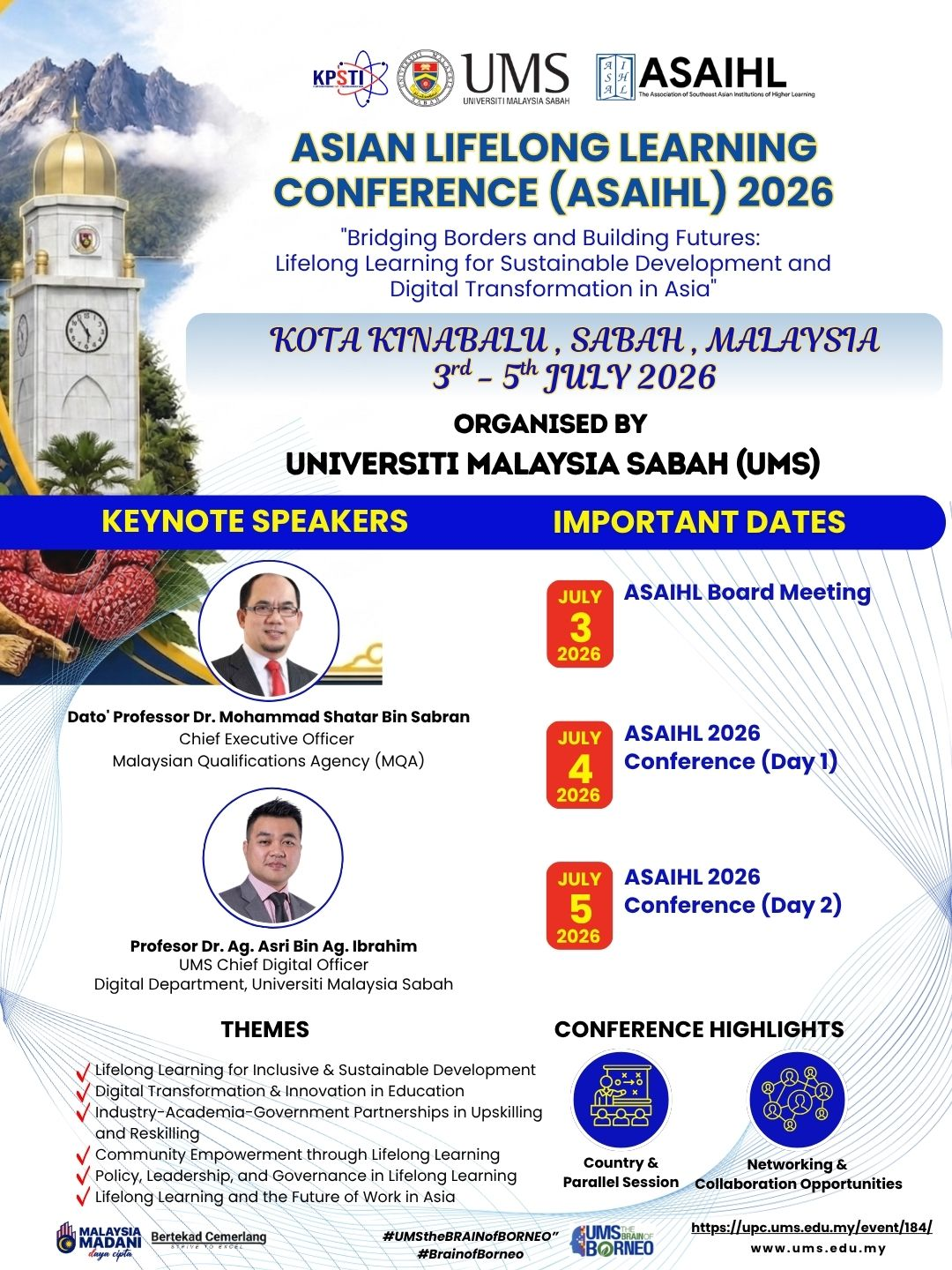
Speaker
Description
Knowledge economies require engineering graduates who are not only technically proficient but also capable of continuous adaptation, opportunity recognition, and value creation across careers that are likely to outlast any specific technology they have studied. While accreditation frameworks have begun to acknowledge these expectations, the underlying competencies—entrepreneurial, innovative, and lifelong learning—remain inadequately operationalized at the level of pedagogical and curricular design. This extended abstract presents an integrated theoretical and conceptual framework that unifies constructivist and experiential pedagogy, effectuation theory, and validated competency taxonomies (EntreComp, the Universal Innovation Framework, and a 21st-century engineering skills model) within a single coherent structure. The framework is designed to be embedded within formal engineering and technology education without requiring structural curricular disruption, and is simultaneously adaptable to lifelong learning contexts including continuing professional development, micro-credentialing, workplace learning, and informal learning pathways. The contribution articulates how a common competency core, once made explicit, can serve as the conceptual bridge between formal and lifelong engineering learning, supporting coherence across an individual’s professional trajectory and across the institutional and policy levels of the knowledge economy.