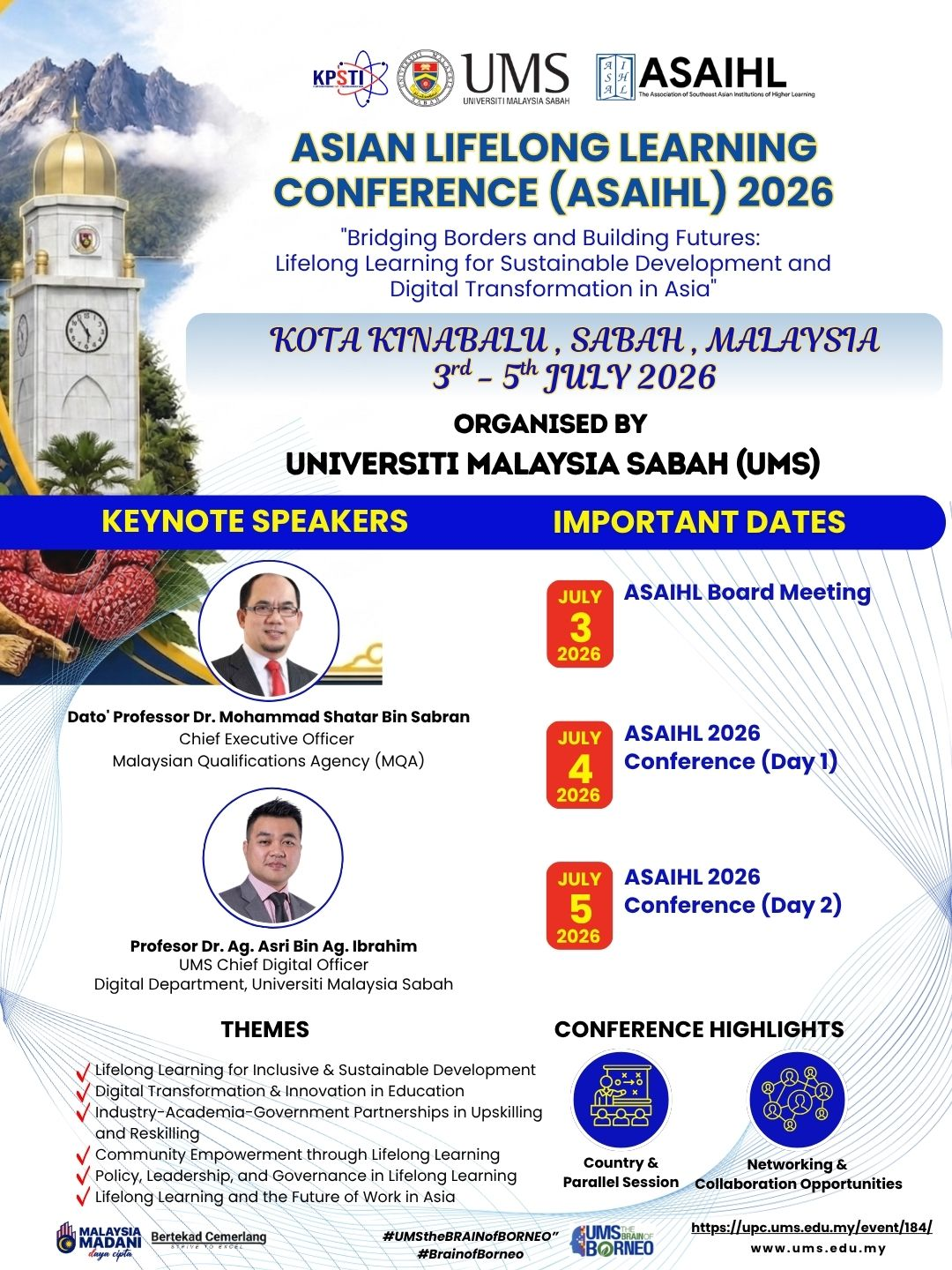
Speaker
Description
Biomass-based small scale renewable energy sources, also known as distributed generations (DGs) have been widely used in many countries due to lower emission levels and higher efficiency. However, the penetration of the DGs into the distribution network may lead to error in estimating the fault location as the DGs affect the overall stability of the network. On the other hand, distribution networks account for the majority of faults in the power system, and therefore, locating faults in multiple branches took longer time to complete. According to Mokhlis et al., the fault identification process is carried out by inspecting the entire feeder. When the fault identification process is longer, the time taken to restore the service also increases. Furthermore, consumer losses as a result of the service interruption will be much higher. In order to solve the problem, authors proposes a technique based on matching approach for estimating faulty sections in a distribution network with distributed generations (power grid). The matching approach technique compares measured data with a database of voltage sag to identify the potentially faulty section. The likelihood of multiple faulty sections in the distribution system is high. Therefore, the ranking approach is necessary to identify the most possible faulty section. A comparison of the results obtained for the possible faulty sections is made based on two different conditions of the network: the distribution network with installed distributed generation and the distribution network without distributed generation. The effect of the presence of distributed generations towards the selection of the most possible faulty section was then discussed in this paper. It was found that the penetration of the distributed generations in the distribution network affects the process of selecting the faulty sections.