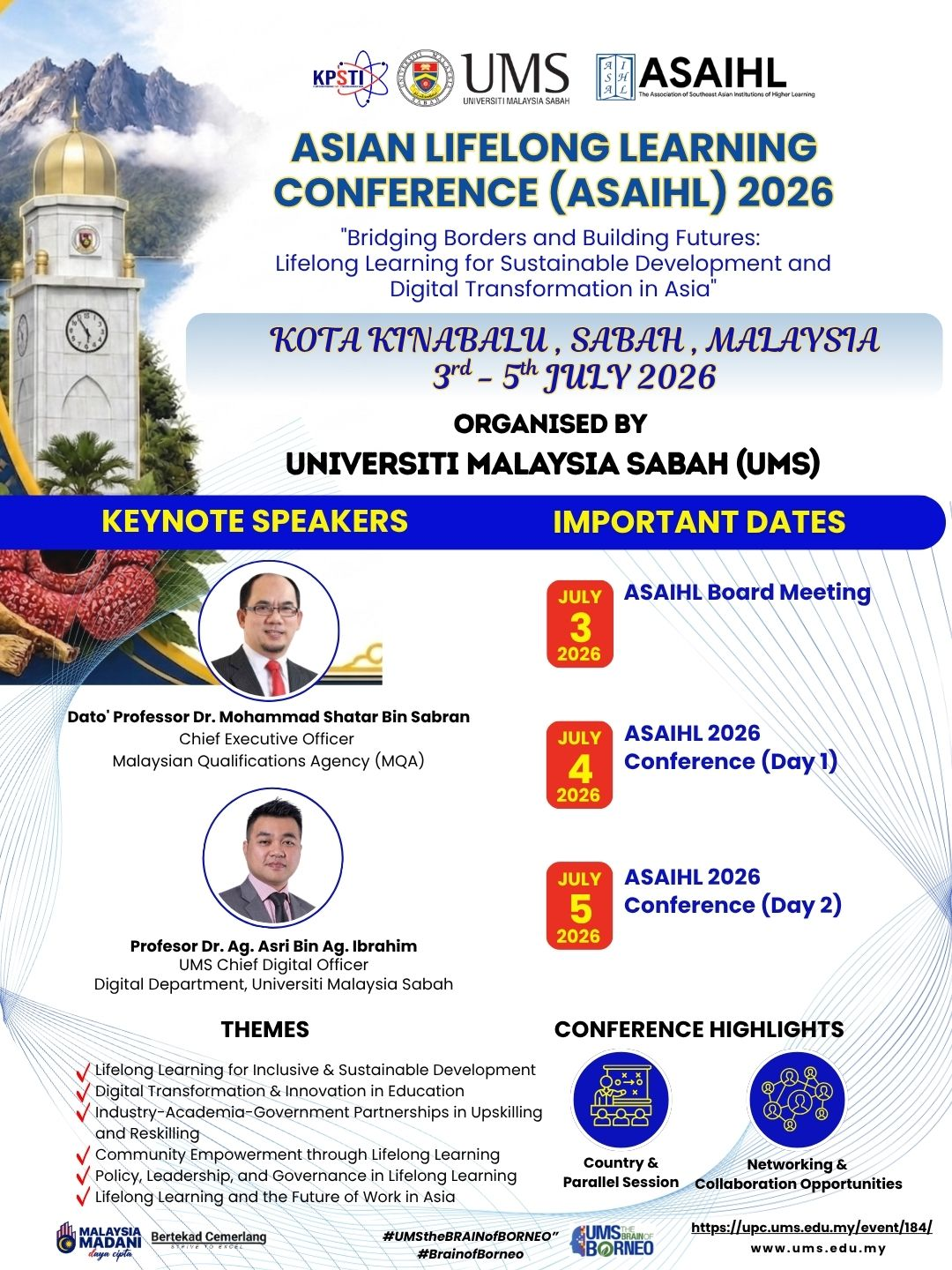
Speaker
Description
Abstract
Divorce is often framed as a disruption of family structure with predominantly negative consequences. However, an important yet underexplored question remains: to what extent is divorce transmitted across generations, and what underlying mechanisms contribute to its recurrence? This paper addresses these questions through a literature-based analysis of intergenerational transmission in post-divorce families, reframing the phenomenon within a lifelong learning perspective.
Drawing on attachment theory, particularly the concept of internal working models developed by John Bowlby, as well as theories of intergenerational transmission and transformative learning, this study synthesizes theoretical and empirical findings from several research studies. The review suggests that divorce is not transmitted as an event per se, but through a constellation of relational vulnerabilities, including internalized relational schemas, emotional regulation patterns, and relational scripts.
The findings identify two dominant pathways: reproductive transmission, where maladaptive relational patterns increase the likelihood of relational instability, and transformative transmission, where individuals reconstruct more adaptive relational values. Divorce thus emerges as a critical site of lifelong learning, in which relational meanings are actively reinterpreted and renegotiated.
This study contributes to the literature by offering a conceptual model that integrates psychological and developmental perspectives, positioning intergenerational relational learning as central to sustainable development in contemporary family systems.